

Short answer: It’s not unusual for central heating or cooling system to smell a bit musty when it cycles on for the first time in a season, but some odors can indicate a serious problem. Causes can range from an easy-to-fix clogged air filter to a dangerous gas leak that requires emergency attention. When you notice a smell that you can’t easily identify, these tips can help you locate the source of the odor.
Natural Gas Odors
Natural gas is a combustible substance that can cause fire and explosions. If your home or business has gas service and you smell its characteristic sulfur-like odor, check the pilot lights on your gas-powered appliances and heaters to ensure that they are lit. If the pilot is out, shut off the equipment’s gas valve and wait five minutes for the gas to disperse before attempting to relight the pilot. If the smell of gas persists, open your doors and windows, evacuate the building and call 9-1-1 immediately.
Electrical Burning Odors
Although loose or faulty electrical connections in your heating and cooling systems can cause wires to overheat and emit an electrical burning odor, these types of smells are more often the result of failures in the HVAC system’s working parts. If a bearing in the motor seizes up, for example, the equipment may overheat and begin to melt the motor windings. Even a clogged air filter can force the motor to overheat. If changing the filter doesn’t resolve the problem, schedule professional service before the entire system is compromised.Oil Odors
Oil odors emanating from oil-burning furnaces and boilers are typically accompanied by a telltale oil leak in a burner, pipe or tank. Some leaks can be easily resolved by tightening a fitting. If you smell oil but see no signs of a leak, enlist help from a technician at The Cooling Company to identify the source. The cause may be anything from a plugged oil nozzle to a blocked flue or chimney.
Damp or Moldy Smells
Air conditioners remove water vapor as well as heat from the air, but when humidity levels are too high or if the unit itself is too small, you may notice a musty smell or muggy feeling in the air. A persistent musty and damp odor can also be a sign of an undetected leak in the equipment or in your plumbing system. Leaky ductwork allows moisture penetration as well, and damp air ducts are the perfect breeding ground for mold and mildew. The Cooling Company offers a broad array of services and products that can improve your indoor air quality and enhance your comfort. Whether you need a tune-up to ensure your heater is operating safely in time for the winter season, or a new AC system to manage indoor humidity levels, you can count on the experts at The Cooling Company for fast and effective solutions. Call us at (702) 567-0707.Las Vegas-Specific HVAC Odor Causes
Living in the Mojave Desert means your HVAC system faces conditions that homeowners in other parts of the country never deal with. Southern Nevada's extreme heat, dust storms, hard water, and desert wildlife create odor problems that are unique to this region. Understanding these local factors helps you respond faster and avoid costly damage.
Dust Storms and Haboobs Clogging Filters
Las Vegas experiences frequent dust storms, especially during spring and early summer when winds pick up across the open desert. A single haboob can deposit a thick layer of fine particulate matter across your entire property, and your HVAC system pulls that dust-laden air right through the filter. When filters become overloaded with desert dust and caliche particles, airflow drops dramatically. The blower motor works harder, overheats, and produces a burning smell that many homeowners mistake for an electrical fire. If you notice a burning odor after a dust storm, check your filter immediately. In the Las Vegas Valley, we recommend checking filters every two to four weeks during peak dust season rather than the standard monthly schedule. A clean filter protects your motor and keeps that alarming burning smell from returning. Regular AC maintenance includes filter inspection and replacement to stay ahead of this problem.
Monsoon Season Mold Growth in Ductwork
From July through September, the North American Monsoon pushes tropical moisture into Southern Nevada. Humidity levels that normally hover around 10 to 20 percent can spike to 40, 50, or even 60 percent during monsoon storms. That sudden moisture surge creates ideal conditions for mold and mildew growth inside your ductwork, especially in sections that run through scorching attics where temperature differentials cause condensation. The result is a musty, earthy smell that circulates through every room each time the system cycles on. If you detect a persistent damp odor during monsoon season, professional duct cleaning can remove mold colonies before they spread. Homes in flood-prone areas like parts of North Las Vegas and the east valley are especially vulnerable because ground moisture compounds the humidity problem.
Desert Critters Nesting in Outdoor Units
The Las Vegas Valley is home to plenty of desert wildlife, and your outdoor condenser unit makes an attractive shelter. Roof rats, mice, lizards, and even small snakes sometimes find their way into the cabinet, building nests from debris or becoming trapped. When the system starts up, these nests can block airflow and create a distinctly foul, decaying odor that gets pulled into your home. Scorpions and other insects also nest in and around outdoor units during cooler months, and their remains contribute to strange smells when summer heat returns. If you detect a rotten or decaying smell that seems to come from your vents, the outdoor unit is a likely culprit. Turn off the system and visually inspect the condenser for any signs of animal activity before calling a technician.
Hard Water Mineral Deposits and Sulfur Smells
Las Vegas has some of the hardest water in the nation, measuring between 16 and 22 grains per gallon in most neighborhoods. For homeowners with whole-house humidifiers connected to their HVAC system, or those with evaporative coolers (swamp coolers), mineral scale builds up on internal components over time. As calcium, magnesium, and other minerals accumulate and heat up, they can produce a sulfur-like smell that gets distributed through the ductwork. This is different from a natural gas leak because it tends to be intermittent and most noticeable when the humidifier or evaporative system first activates. Flushing the humidifier reservoir and descaling components seasonally prevents this buildup. If you are unsure whether the smell is mineral deposits or a gas leak, always err on the side of caution and follow the gas leak safety steps below.
When HVAC Odors Are an Emergency
Not every HVAC smell requires an emergency response, but some odors signal genuine danger. Knowing which smells demand immediate action can protect your family and your home. Here is what to watch for and exactly what to do.
Natural Gas (Rotten Eggs), Evacuate Immediately
If you smell a strong sulfur or rotten egg odor near your furnace, water heater, or gas line, do not hesitate. Natural gas leaks are explosive and can be fatal. Do not turn on lights, use your phone inside the house, or operate any electrical switches. Get everyone out of the home, including pets, and move at least 100 feet away from the structure. Call 9-1-1 from a neighbor's home or from a safe distance. Southwest Gas, the primary utility provider in the Las Vegas Valley, also has a 24-hour emergency line. Never attempt to locate or repair a gas leak yourself.
Electrical Burning, Shut Off the System and Call a Professional
A sharp, acrid burning smell that resembles melting plastic or hot metal means something inside your HVAC system is overheating or shorting out. This could be a failing blower motor, a burned-out capacitor, damaged wiring, or a locked-up compressor. Turn off the system at the thermostat and flip the breaker for the HVAC circuit. Do not restart the system or attempt to reset the breaker multiple times. Repeated resets can worsen electrical damage or start a fire. Call a licensed HVAC technician for emergency AC repair. In Las Vegas, where systems run 6 to 8 months of the year under extreme load, electrical component failures are more common than in milder climates.
Chemical or Sweet Smell, Possible Refrigerant Leak
A sweet, chloroform-like or chemical odor near your indoor air handler or outdoor condenser can indicate a refrigerant leak. Refrigerant exposure causes headaches, dizziness, nausea, and in severe cases respiratory damage. If you notice this smell, turn off the HVAC system, open windows to ventilate the area, and leave the room. Refrigerant leaks require a licensed technician with EPA Section 608 certification to locate and repair. Do not attempt to add refrigerant yourself, as improper handling is both illegal and dangerous. Our technicians at The Cooling Company carry the proper certifications and equipment to diagnose and repair refrigerant leaks safely.
How to Tell a Natural Gas Leak from Other “Rotten Egg” Smells - and What to Do First
Natural gas is odorless; utility companies add a sulfur-like “rotten egg” scent (mercaptan) so people can detect leaks. That same smell, however, can sometimes come from other sources - sewer gas, a dead animal in a wall or attic, or a stuck pilot light. Telling them apart quickly helps you take the right safety steps.Quick Checklist (First 5 Minutes)
- Don’t flip light switches or use electronics - a spark can ignite gas.
- Open doors and windows to ventilate if it’s safe to do so.
- If the smell is strong or you suspect a leak, evacuate everyone (including pets) and call 9-1-1 right away.
- From a safe location, call your gas utility (Southwest Gas serves much of the Las Vegas Valley) or emergency services.
- If the odor is faint and localized (near a drain or garbage), it may be sewer gas - still address promptly.
Smell Pattern and Location
- A continuous strong sulfur smell inside near a furnace, water heater, clothes dryer, or kitchen range often points to a gas appliance.
- If the odor is strongest near floor drains, toilets, or vents, suspect sewer gas or a dried trap.
- If you can’t localize it, treat it as a potential gas leak and evacuate.
Local Context: Las Vegas Neighborhoods
In older North Las Vegas and central Las Vegas homes with aging plumbing and vents, sewer gas issues are more common. In fast-growing neighborhoods like Summerlin and Henderson, new construction issues (improper venting or capped pipes) can cause odors. Our licensed, NATE-certified technicians at The Cooling Company serve all these areas and can inspect gas lines and appliances safely.When to Call The Cooling Company
If a pilot light is out and the smell disappears after ventilating, you can follow the appliance manufacturer’s relight instructions - but if you ever feel uncertain, call our emergency team. We respond to odor calls and perform safe appliance checks, leak inspections, and coordination with your gas utility.Immediate Safety Steps and Simple Checks for Electrical or “Burning” Smells
An electrical burning smell coming from an HVAC system can mean overheated wiring, a failing motor, or a shorted component. Quick, safe actions can prevent fire or further equipment damage.Immediate Actions
- Turn off the system at the thermostat and at the breaker panel. Do not try to “reset” a breaker repeatedly.
- If you smell burning near the air handler or furnace, keep people and pets clear of the area and call a professional.
- Avoid touching wiring or attempting repairs yourself. Even a small mistake can be dangerous.
Safe Do-It-Yourself Checks
- Check and replace a dirty air filter - clogged filters are a common cause of motor strain and overheating. (Replace filters every 1–3 months, more often in dusty Las Vegas neighborhoods.)
- Look for visible signs of smoke, melted insulation, or scorch marks around the air handler access panel - if present, leave the system off and call a pro.
- Note any tripped breakers or blown fuses and which circuit they’re on; this helps technicians diagnose the problem faster.
Why Professional Diagnosis Matters
Technicians use proper testing tools to find overloaded circuits, bad capacitors, seized bearings, or failing motors. Our licensed technicians have experience diagnosing electrical faults in heat pumps and furnaces across Henderson, North Las Vegas, and the valley - and we coordinate electrical repairs safely with licensed electricians when needed.Practical Homeowner Tip
If a smell appears only during startup after a long idle period, it could be dust burning off - run the fan for 10–15 minutes on a cool setting to clear it. If the smell returns, stop using the system and call us. For an estimate on service rates and labor, see our guide to HVAC Labour Rates.Preventing Mold and Controlling Humidity in Las Vegas Homes
While Las Vegas is mostly dry, AC systems run nearly year-round and monsoon season brings higher humidity. That combination - plus hot attics - can create moisture problems in equipment and ducts. Here are practical steps to reduce damp, musty smells and prevent mold.Homeowner Prevention Checklist
- Replace or clean HVAC filters every 1–3 months. Use pleated filters with MERV 8–11 for a good balance of airflow and filtration.
- Inspect and clean the condensate drain and drip pan once a year. Algae and debris can clog the line; a clogged pan often causes musty odors. A cup of diluted household bleach (or a commercially recommended treatment) can clear organic growth - only when the system is off and the manufacturer allows it.
- Consider a whole-house dehumidifier for homes near water features or during monsoon months. Lowering indoor relative humidity to 40–50% reduces mold growth and improves comfort.
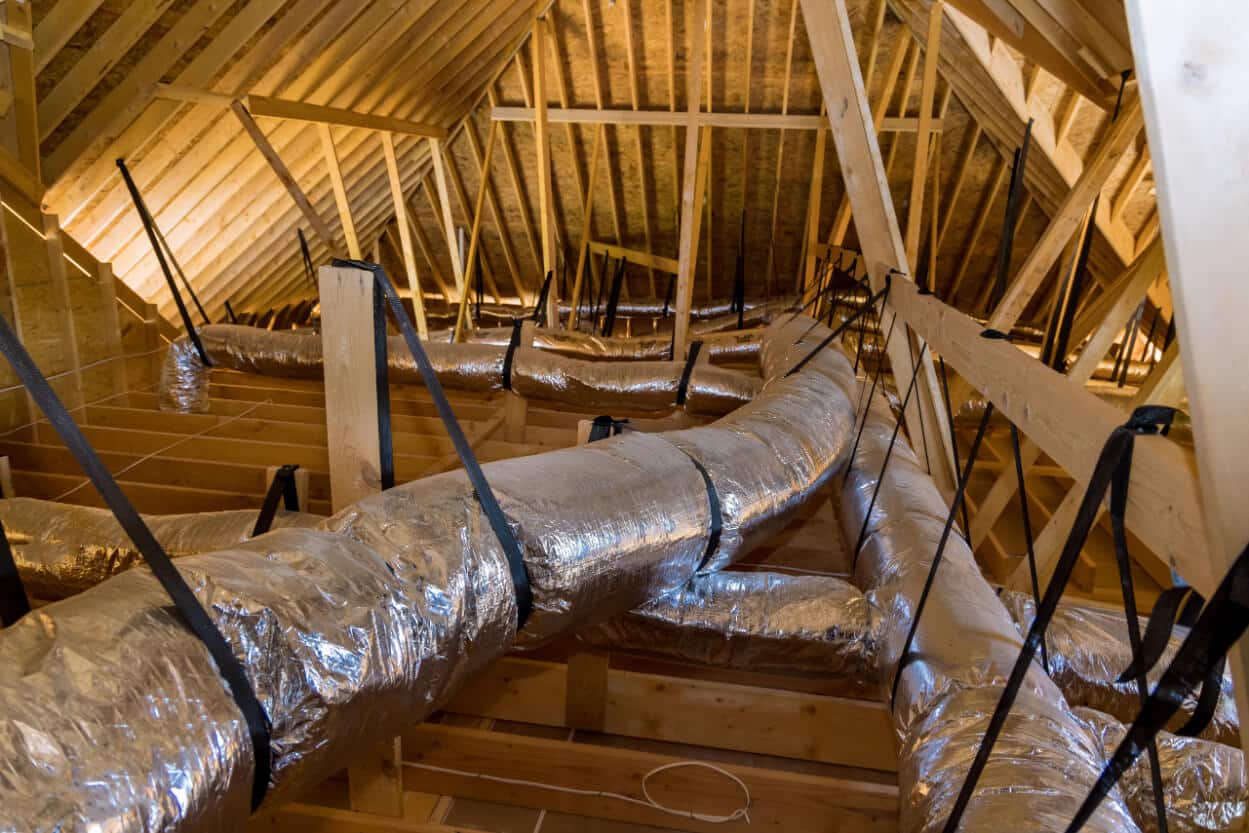
- Seal and insulate ducts in hot attics. Leaky or uninsulated ducts invite hot, humid air that condenses and fosters mold.
When the AC Is Too Small or Ducts Are Problematic
An undersized AC or poorly designed duct system struggles to remove humidity - you may feel cool but clammy. If your home is repeatedly damp or has hot/cold rooms, a proper load calculation and duct evaluation are needed. We recommend checking HVAC Sizing and Load Calculations before replacing equipment. If attic ducts are old, damaged, or leaking, replacing them can cut energy use and eliminate moisture problems - learn more about Replacing Ductwork in Attic.High Attic Temperatures in Las Vegas
Attics routinely reach 120°F or more in summer. That heat stresses ducts and increases the chance of condensation when cooler indoor air contacts duct surfaces that aren’t insulated properly. Proper design and installation - see our HVAC Design and Installation guidance - make a big difference.When to Call Us
If damp odor persists after simple cleaning and filter changes, call The Cooling Company for a diagnostic. Our technicians check condensate lines, run humidity tests, inspect ducts, and recommend the right fix - from a tune-up to duct replacement or adding a whole-house dehumidifier.Seasonal Odor Patterns in Southern Nevada
Las Vegas homeowners tend to notice HVAC odors at predictable times of year. Understanding these seasonal patterns helps you distinguish harmless temporary smells from problems that need professional attention.
First Heat Cycle in October and November
When nighttime temperatures in the Las Vegas Valley finally dip into the 40s and 50s during late October and November, many homeowners fire up their heating system for the first time since spring. That first heat cycle almost always produces a burning dust smell. Over the summer months, a thin layer of dust settles on the heat exchanger, burners, and internal components. When they heat up, that dust burns off and the smell circulates through your home. This is usually harmless and should clear within 15 to 30 minutes. Open a few windows to help ventilate. If the burning smell lasts longer than an hour or intensifies, shut off the system and call a technician because it could indicate a cracked heat exchanger or a wiring issue rather than simple dust burn-off.
Spring Startup Musty Smell After Winter Dormancy
By March and April, daytime temperatures in Las Vegas climb back into the 80s and 90s, and homeowners switch their thermostats from heat to cool. After sitting dormant through the mild winter months, your AC system may produce a stale, musty odor when it first kicks on. Dust and organic matter accumulate on the evaporator coil and in the condensate drain pan during the off season. Stagnant water in the drain line can also grow algae and bacteria. Before switching to cooling mode for the season, we recommend scheduling a spring AC tune-up. A professional cleaning of the evaporator coil, condensate drain, and blower assembly eliminates the source of that musty startup smell and ensures your system is ready for the brutal summer ahead.
Monsoon Humidity and Mold Risks from July Through September
The monsoon season is the most problematic time for HVAC odors in Southern Nevada. Outdoor humidity levels surge, and your air conditioning system works overtime to remove that moisture from indoor air. The evaporator coil drips more condensate than usual, the drain pan fills faster, and any weakness in your condensate drainage system becomes a mold risk. Ductwork in unconditioned attic spaces is especially vulnerable because the temperature differential between the 120-degree-plus attic air and the cool air inside the ducts creates condensation on the outer duct surface. That moisture seeps in through any gaps or deteriorated insulation. If you notice musty or sour smells during monsoon season, do not ignore them. Mold can spread rapidly in warm, humid conditions and compromise both your system and your family's health. A professional duct inspection and indoor air quality assessment can identify and resolve moisture problems before they become serious.
Year-Round Dust and Filter Management
Unlike most cities where seasonal filter changes are sufficient, Las Vegas demands a more aggressive schedule. Construction activity across the valley, desert winds, and the arid climate mean your filters accumulate particulate matter faster than the national average. A neglected filter does not just reduce efficiency. It causes the blower motor to strain, overheat, and produce burning odors. During peak summer when your system runs 16 to 20 hours per day, check your filter every two weeks. During milder months, monthly checks are usually adequate. Investing in quality pleated filters rated MERV 8 to 11 provides the best balance between filtration and airflow for typical Las Vegas homes.
Frequently Asked Questions
Why does my AC smell musty when it first turns on in spring?
After a Las Vegas winter of sitting idle, the evaporator coil and condensate drain pan accumulate dust, organic debris, and standing water that grows algae and bacteria. When the blower kicks on in April, that stale layer aerosolizes and pushes a sour, basement-like smell into your registers. The fix is a spring tune-up that includes a coil rinse, drain line flush with a vinegar or pan-tab biocide, and a fresh filter. Book this before May. See our AC maintenance service for what we cover.
Is a burning smell from my furnace dangerous?
First-cycle burning dust on an October startup is normal and clears within 15 to 30 minutes. A burning smell that lingers past an hour, smells like hot plastic or wire insulation, or comes with a clicking sound at the blower is not normal. Shut the system off at the thermostat and the breaker, then call for service. The likely causes are a seized blower bearing, a cracked heat exchanger, or scorched control board wiring, all of which can release carbon monoxide. Our techs handle these calls daily through heating repair.
I smell rotten eggs near my furnace, what do I do?
That sulfur odor is the mercaptan additive in natural gas, and it means you have a leak. Do not flip any switches, do not light a match, and do not use your phone inside the house. Walk everyone outside, leave the door open behind you, and call 911 or Southwest Gas at 877-860-6020 from a neighbor's phone. Once they tag the line safe, call us to diagnose the appliance side. Common sources are a failed gas valve, a cracked flex connector at the furnace, or a corroded pilot line in older Paradise and East Las Vegas homes.
Why does my AC smell like dead animal after a heat wave?
A rodent, lizard, or bird got into the outdoor condenser or a section of ductwork and did not make it out. Las Vegas pack rats and ground squirrels nest in the warm condenser cabinet during winter, then cook out on the first 105 degree day in June. Pop the service panel on the outdoor unit, look for nesting material around the contactor, and check return-side ducts in the attic. We remove and sanitize regularly during monsoon-season AC repair calls in Summerlin and Henderson.
How often should I change my air filter in Las Vegas?
Every two weeks during peak summer when the system runs 16 to 20 hours per day, and after every haboob or major dust storm regardless of the calendar. The valley loads filters two to three times faster than the national average because of construction caliche, desert silt, and high runtime. Stick with MERV 8 to 11 pleated filters, anything higher restricts airflow on most residential systems and can freeze the coil. Annual tune-ups catch the airflow problems homeowners miss.
Share This Page