

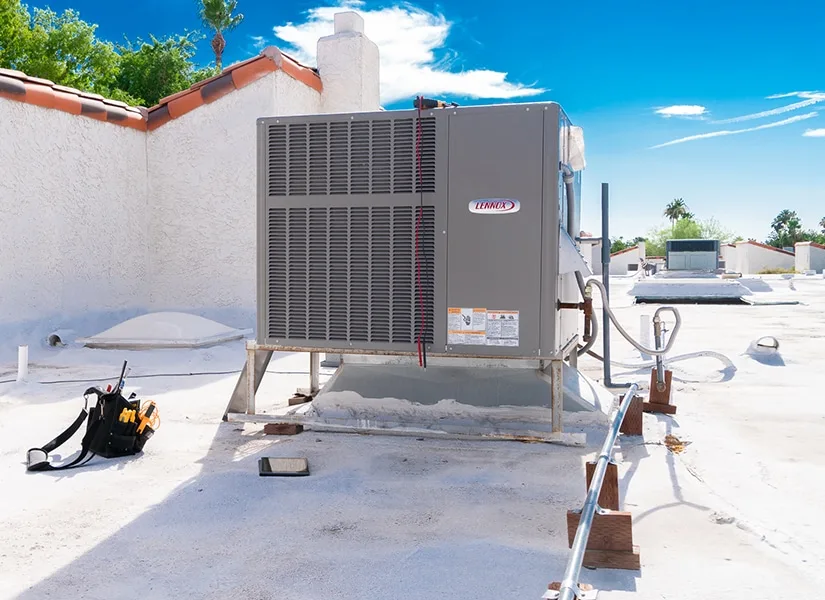
Short answer: The world of home cooling and heating is undergoing a significant change as the phaseout of R-410A refrigerant approaches in 2025. For homeowners, this shift brings questions about costs, replacement options, and what steps to take to ensure their HVAC systems remain efficient and environmentally friendly. Understanding the reasons behind this transition, the alternatives available, and the financial impact can help homeowners make informed decisions.
Understanding the R-410A Phaseout Timeline
The phaseout of R-410A refrigerant is a carefully planned process set by regulatory bodies to reduce the environmental impact of HVAC systems. This timeline is crucial for homeowners and HVAC professionals alike to prepare for the transition without disruption. R-410A has been a popular refrigerant for many years due to its efficiency and non-ozone-depleting properties. However, its high global warming potential (GWP) has prompted regulatory agencies to mandate its gradual discontinuation. The timeline outlines key milestones that will affect production, import, and servicing of R-410A systems.
EPA Regulations and Compliance Deadlines
The Environmental Protection Agency (EPA) has established clear regulations to phase out high-GWP refrigerants like R-410A. These regulations are part of a broader effort to combat climate change by reducing greenhouse gas emissions from various sectors, including residential and commercial HVAC systems. According to the EPA’s Significant New Alternatives Policy (SNAP) program, the production and import of R-410A for new equipment will be banned starting in 2025. Additionally, the use of R-410A in servicing existing equipment will be restricted over time, with allowances for servicing existing systems tapering off as alternatives become more widely adopted. Homeowners should be aware that while servicing with R-410A will still be possible for a limited time, the availability and cost of this refrigerant are expected to change. Transitioning to systems that use newer, lower-GWP refrigerants will be recommended to comply with regulations and future-proof home cooling solutions. This transition may also involve retrofitting existing systems or investing in entirely new units designed for alternative refrigerants, which could lead to an initial financial outlay but ultimately result in savings on energy bills and maintenance costs.
Why R-410A is Being Phased Out: Environmental Impact
R-410A, while not harmful to the ozone layer, has a high global warming potential, approximately 2,088 times that of carbon dioxide. This means that leaks or emissions of R-410A contribute significantly to greenhouse gas accumulation in the atmosphere, accelerating climate change. Environmental concerns have driven international agreements and national policies to target refrigerants with high GWPs for phaseout. The Kigali Amendment to the Montreal Protocol, for example, aims to reduce the production and consumption of hydrofluorocarbons (HFCs), including R-410A, on a global scale. This amendment represents a significant step in international climate policy, with countries committing to a phasedown schedule that aligns with their specific economic and technological capabilities. By phasing out R-410A, the goal is to encourage the adoption of refrigerants that have a much lower impact on global warming, helping to meet climate targets and protect the environment for future generations. Alternatives such as R-32 and R-454B are being promoted for their lower GWP, and many manufacturers are already investing in research and development to improve the efficiency and safety of these new refrigerants. As the HVAC industry adapts to these changes, consumers can expect to see innovations in system design and performance, making it an exciting time for both environmental stewardship and technological advancement in home comfort solutions.Alternative Refrigerants and Replacement Options
With the phaseout of R-410A, the HVAC industry has been actively developing and adopting alternative refrigerants that offer similar or improved performance with significantly lower environmental impact. Homeowners will soon see these alternatives more commonly in new systems and retrofit options. Choosing the right replacement refrigerant involves considering factors such as efficiency, safety, environmental impact, and compatibility with existing equipment or new installations. As the industry shifts towards these alternatives, it’s essential for consumers to stay informed about the benefits and challenges associated with each option to make educated decisions for their homes.R-32 and Other Leading Replacement Refrigerants
One of the most prominent alternatives to R-410A is R-32. This refrigerant has a global warming potential roughly one-third that of R-410A, making it a much greener option. R-32 is already widely used in several countries and is gaining traction in the United States as manufacturers update their product lines. Its efficiency and lower environmental footprint make it an attractive choice for both residential and commercial applications. In addition to R-32, other refrigerants like R-454B and R-466A are emerging as viable replacements. These blends are designed to balance lower GWP with safety and energy efficiency. Each alternative has its own set of characteristics, including flammability classifications and operating pressures, which influence their suitability for different HVAC applications. For instance, R-454B is particularly appealing for its near-zero ozone depletion potential, making it a responsible choice for environmentally-conscious consumers. It’s important for homeowners to consult with HVAC professionals to understand which refrigerant is best suited for their specific system and needs, especially when considering retrofits versus new installations. Professionals can provide insights into the latest technologies and help understand the complexities of refrigerant selection, ensuring that homeowners make informed choices that align with both their comfort and environmental goals.Comparing Performance and Efficiency of Alternatives
Performance and efficiency are critical factors when evaluating refrigerant alternatives. R-32, for example, not only reduces environmental impact but also offers improved energy efficiency compared to R-410A. This means that systems using R-32 can provide better cooling performance while consuming less electricity, potentially lowering utility bills. Additionally, R-32's thermodynamic properties allow for smaller compressor sizes, which can lead to more compact system designs and easier installation. Other alternatives like R-454B also show promising efficiency levels, though they may require adjustments in system design to optimize performance. Safety considerations, such as mild flammability, are addressed through updated equipment standards and technician training. Manufacturers are investing in research and development to ensure that new systems are not only efficient but also safe for everyday use in residential settings. This proactive approach is crucial as the industry transitions to these new refrigerants, ensuring that both performance and safety are prioritized. Overall, the transition to alternative refrigerants is expected to maintain or improve system performance while significantly reducing environmental harm. Homeowners should prioritize systems that meet both efficiency and environmental standards to maximize long-term benefits. As the market evolves, it will be essential to monitor advancements in refrigerant technology and HVAC system designs, ensuring that consumers have access to the most effective and sustainable options available.If the phaseout is pushing you toward a new system, our complete 2026 AC replacement guide covers R-454B options, updated pricing, and available tax credits.
Financial Implications of the R-410A Transition
Transitioning away from R-410A refrigerant involves financial considerations that homeowners need to plan for. While the initial costs may seem daunting, understanding the broader financial picture, including potential savings and incentives, can help ease the transition. Costs can vary depending on whether a homeowner is retrofitting an existing system or installing a new one, as well as the choice of replacement refrigerant and equipment.Retrofitting
Retrofitting existing HVAC systems to use alternative refrigerants is an option for some homeowners, but it comes with challenges. Not all systems are compatible with newer refrigerants without significant modifications. Retrofitting may involve replacing components such as compressors, expansion valves, and seals to ensure safety and efficiency. The cost of retrofitting can range widely depending on the extent of modifications required. Additionally, the availability of certified technicians and parts can influence the price and timeline for completing a retrofit. In some cases, retrofitting may not be cost-effective compared to replacing the entire system, especially if the existing equipment is older or nearing the end of its service life. Homeowners should seek professional assessments to determine the best course of action. Furthermore, it's essential to consider the potential long-term impact of retrofitting on the overall efficiency of the system. While the upfront investment may be lower than a full replacement, the energy savings from a new, more efficient system could outweigh the costs of retrofitting over time. Homeowners should weigh the benefits of improved performance and reliability against the immediate financial outlay.Long-term Savings and Rebate Programs for Homeowners
While the upfront costs of transitioning away from R-410A may be significant, homeowners can often benefit from long-term savings through improved energy efficiency and reduced refrigerant costs. Newer systems using low-GWP refrigerants tend to consume less electricity, which can lead to noticeable reductions in monthly utility bills. Moreover, many states and local governments offer rebate programs and incentives to encourage the adoption of environmentally friendly HVAC technologies. These programs can help offset the cost of new equipment or retrofits, making the transition more affordable. It is advisable for homeowners to research available incentives and consult with HVAC professionals who are familiar with local rebate programs. Taking advantage of these opportunities can substantially reduce the financial burden and contribute to a more sustainable home environment. In addition to state-level incentives, some utility companies provide financial rewards for customers who upgrade to energy-efficient systems. These programs often include performance-based rebates, where homeowners can receive payments based on the energy savings achieved after installation. This not only helps to mitigate the initial costs but also encourages ongoing energy conservation practices within the household. Furthermore, as the market for low-GWP refrigerants continues to grow, homeowners may find that the resale value of their properties increases with the installation of modern, eco-friendly HVAC systems. Prospective buyers are increasingly prioritizing energy efficiency and sustainability, making homes equipped with advanced technology more attractive in a competitive real estate market.Ready for an Eco-Friendly HVAC Upgrade?
As the R-410A phaseout approaches, it's the perfect time to ensure your HVAC system is up to date and environmentally responsible. The Cooling Company is here to help you handle the transition smoothly. Our certified technicians in Las Vegas are ready to provide you with energy-efficient solutions tailored to your needs. Whether you're considering a retrofit or a new installation, we'll make your switch to low-GWP refrigerants both seamless and cost-effective. Don't wait until 2025, Schedule a Service with us today and stay ahead of the curve in home comfort and sustainability.Share This Page