

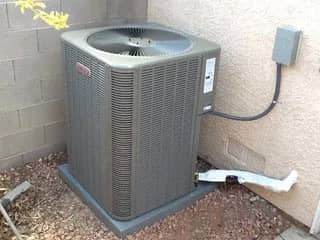
Common AC Problems in Las Vegas Summer
Short answer: The most common summer AC problems in Las Vegas are weak airflow, warm air, frozen coils, and short cycling. With temperatures regularly exceeding 110°F and systems running 12-18 hours daily, Las Vegas heat pushes AC units to their limits. Early fixes prevent expensive breakdowns during peak heat months.

Why Las Vegas Summers Are Hard on AC Systems
Las Vegas summers are among the most demanding in the country for air conditioning systems. Average high temperatures from June through September regularly reach 100-110°F, with heat indices that can make indoor temperatures dangerous if AC fails. During peak heat months, AC systems in Las Vegas homes run nearly continuously, often 12-18 hours per day, to maintain comfortable indoor temperatures.
The desert climate creates unique challenges: extreme dry heat pushes systems to maximum capacity, while monsoon season (typically July-August) adds humidity that makes cooling even more difficult. Dust storms and high winds clog filters faster, while extended runtimes accelerate wear on compressors, capacitors, and motors. Systems that might last 15 years in milder climates often need replacement after 10-12 years in Las Vegas due to this extreme workload.
When temperatures soar above 110°F, even minor AC problems can escalate quickly. A system showing warning signs in May could fail completely by July if not addressed. This makes preventive maintenance and early problem detection essential for Las Vegas homeowners.
What can make summer problems worse
- Dirty filters and restricted airflow (especially during dust storms)
- Low refrigerant from leaks (more common in extreme heat)
- Dirty coils and poor heat transfer (reduced efficiency in high temps)
- Oversized systems that short cycle (wasteful in Las Vegas heat)
- Leaky ducts and uneven airflow (cooling loss in attics and walls)
- Extended runtime during heatwaves (non-stop operation for days)
- Monsoon humidity adding load during July-August
Common AC Problems and How to Fix Them
1) AC Won't Turn On
What to check first: Start with thermostat settings (make sure it's set to "cool" and below room temperature), check circuit breakers in your electrical panel, and verify the outdoor disconnect switch is on. If your thermostat has batteries, replace them even if they seem fine.
Common causes: Tripped breaker, blown fuse, faulty thermostat, or outdoor disconnect turned off.
Fix: Reset the breaker once (if it trips again, leave it off and call for service). Replace thermostat batteries. Check the outdoor disconnect switch near your condenser unit. If power is fine but the system still won't start, call a licensed technician, electrical issues can be dangerous.
2) AC Runs but Blows Warm Air
What to check first: Replace your air filter if it's dirty. Check that all supply vents are open and unobstructed. Feel the air coming from vents, if it's room temperature or warm, there's a cooling problem.
Common causes: Dirty air filter restricting airflow, low refrigerant charge, dirty evaporator coils, or a failing compressor.
Fix: Replace dirty filters immediately (in Las Vegas, check filters monthly during summer). If the filter is clean but air is still warm, turn the system off and schedule a diagnostic. Low refrigerant requires professional service, never attempt to add refrigerant yourself. Dirty coils need professional cleaning to restore cooling capacity.
3) Weak Airflow
What to check first: Check all supply vents to ensure they're open. Replace the air filter if it's dirty or clogged. Check return air vents for blockages.
Common causes: Dirty or clogged air filter, blocked return vents, failing blower motor, dirty evaporator coils, or leaky ductwork.
Fix: Replace dirty filters (critical in dusty Las Vegas conditions). Clear any furniture or debris blocking return vents. If airflow is still weak after filter replacement, the blower motor may be failing or coils may need cleaning. Weak airflow can also lead to frozen coils, so address this quickly. Duct leaks waste cooling and reduce airflow, a professional duct inspection can identify and seal leaks.
4) Frozen Coils
What to check first: If you see ice on the indoor coil or refrigerant lines, turn the AC off immediately. Let the system thaw completely (this can take several hours) before attempting to restart.
Common causes: Restricted airflow from dirty filters or blocked vents, low refrigerant charge, dirty evaporator coils, or a failing blower motor.
Fix: Turn the system off and switch the fan to "on" to help thaw the ice. Replace dirty air filters and ensure all vents are open. Once completely thawed, restart the system. If freezing happens again, you likely have low refrigerant or airflow problems that need professional diagnosis. Never try to chip away ice, this can damage the coil.
5) Short Cycling
What to check first: Watch your AC unit, if it turns on and off every few minutes, that's short cycling. Check your thermostat placement (it shouldn't be near heat sources or in direct sunlight).
Common causes: Oversized AC system, dirty air filter, low refrigerant, faulty thermostat, or blocked condenser unit outside.
Fix: Replace dirty filters first. Clear debris around the outdoor condenser unit (maintain 2 feet of clearance). If short cycling continues, the system may be oversized for your home (common in Las Vegas) or have refrigerant issues. Short cycling wastes energy and stresses the compressor, schedule a diagnostic to identify the root cause. A professional can verify proper system sizing and refrigerant charge.
6) High Energy Bills
What to check first: Compare your current bill to the same month last year. Check if your system is running longer than usual or if you've changed thermostat settings.
Common causes: Dirty evaporator or condenser coils, low refrigerant charge, leaky ductwork, dirty air filter, or an aging system losing efficiency.
Fix: Replace air filters monthly during summer. Schedule professional coil cleaning (dirty coils reduce efficiency by 20-30%). Have ductwork inspected and sealed if leaks are found. A diagnostic can identify if low refrigerant or other issues are causing excessive runtime. In Las Vegas, even small efficiency losses add up quickly during months of continuous operation.
7) Uneven Temperatures
What to check first: Walk through your home and note which rooms are hotter. Check that all supply vents are open and unobstructed. Feel for air coming from each vent.
Common causes: Airflow imbalance, leaky or disconnected ducts, poor insulation in hot rooms, or single-zone system trying to cool multiple areas with different heat loads.
Fix: Ensure all supply vents are open and not blocked by furniture. Check for disconnected ducts in attics or crawl spaces (common in Las Vegas homes). Add insulation to hot rooms if needed. For persistent issues, consider zoning with dampers or a multi-zone system. Duct repairs and balancing can significantly improve temperature consistency throughout your home.
How to Prevent Summer Breakdowns
Preventing AC problems is far less expensive than emergency repairs, especially in Las Vegas where summer failures can be dangerous. Follow these prevention strategies to keep your system running reliably through the hottest months.
- Change filters monthly: In Las Vegas, check and replace air filters every 1-2 months during summer. Dust storms and high winds clog filters faster than in other climates. Dirty filters restrict airflow, reduce efficiency, and can cause frozen coils.
- Keep outdoor units clear: Maintain at least 2 feet of clearance around your condenser unit. Remove leaves, debris, and vegetation regularly. Trim shrubs and trees that block airflow. Clean the unit's fins gently with a garden hose (power off) to remove dust and debris.
- Schedule annual maintenance before peak heat: The best time for AC maintenance in Las Vegas is April or May, before temperatures peak. A professional tune-up includes coil cleaning, refrigerant checks, electrical testing, and airflow verification, all critical for summer reliability.
- Check ductwork annually: Leaky ducts waste 20-30% of your cooling capacity. Have ducts inspected and sealed if leaks are found. This is especially important in Las Vegas attics, where disconnected ducts are common.
- Monitor thermostat settings: Avoid setting your thermostat too low (below 72°F) during extreme heat, this causes excessive runtime and wear. Use programmable or smart thermostats to raise temperatures when away.
- Insulate hot rooms: Add insulation to rooms that consistently run hot, especially west-facing rooms and those with poor attic insulation. This reduces the cooling load on your system.
- Keep vents open and unobstructed: Ensure all supply and return vents are open and not blocked by furniture. Closing vents to "save energy" actually reduces efficiency and can cause pressure imbalances.
- Watch for warning signs: Address weak airflow, warm air, or unusual noises immediately. Early repairs prevent expensive breakdowns during peak heat when emergency service costs more.
What a quality diagnostic should include
- Airflow measurement and temperature split testing
- Refrigerant pressure check and leak indicators
- Electrical testing for capacitors and contactors
- Thermostat and control verification

When to Call for Emergency Service
- Burning smells or electrical odors
- Ice forming repeatedly on the coil
- System won’t turn on in extreme heat
Helpful resources for Las Vegas homeowners
- AC breakdown warning signs
- Air conditioner not cooling
- AC not blowing hard
- What’s included in an AC diagnostic
- AC repair
Las Vegas Peak-Heat Priority Order
- No-cool calls for infants, seniors, and medical equipment first.
- Homes over 90°F with weak airflow next.
- Short cycling or breaker trips before full failure.
- Efficiency issues scheduled after urgent restores.
Summer Failure Triage Checklist
- Document thermostat setting and indoor temperature.
- Replace the filter if it is dirty.
- Check for ice, water leaks, or unusual noises.
- Reset the breaker once if tripped; do not keep resetting.
After-Repair Performance Report
- Temperature split and airflow readings after the fix.
- Root cause summary and parts replaced.
- Preventive steps to avoid repeat failures.
- Recommended maintenance timing before peak heat.
FAQs About Summer AC Problems
Why do ACs fail more often in summer?
Long run times and extreme heat increase system stress.
Is it safe to keep running a struggling AC?
No. Continued use can damage major components.
Can I prevent breakdowns?
Yes. Preventive maintenance and filter changes reduce failures.
Do you offer emergency AC repair?
Yes. We provide emergency service across the valley.
Do you service Henderson and North Las Vegas?
Yes. We serve the entire Las Vegas Valley.
Should I reset the breaker if it trips?
Reset it once. If it trips again, leave it off and call for service.
Can low refrigerant cause warm air?
Yes. Low charge reduces cooling capacity and leads to long runtimes.
Share This Page