

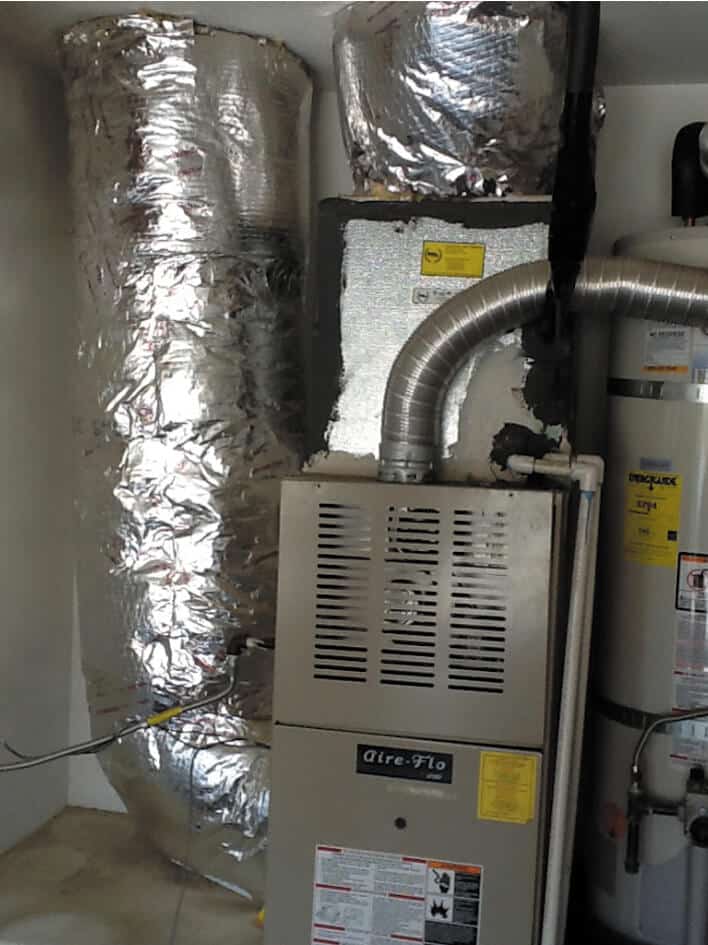
Best Heating Systems for Las Vegas Homes in 2025
Short answer: For Las Vegas, high‑efficiency heat pumps and gas furnaces are the most common winners depending on budget and home design. Las Vegas winters are mild (average lows in the 30s-40s°F), but desert temperature swings can drop to freezing overnight. Heat pumps excel in this climate, providing efficient heating and cooling year-round. Gas furnaces offer fast, reliable heat for homes with gas service. With long cooling seasons (March-October) and moderate heating needs, choosing the right system impacts both comfort and energy bills.

What can change the best choice
- Gas availability and electric rate plans
- Home insulation and duct condition
- System size and zoning needs
- Upfront budget vs. long‑term operating cost
- Noise and comfort preferences
Heating System Cost Drivers
- Equipment efficiency: High-efficiency heat pumps (SEER 16+) and furnaces (AFUE 95%+) cost more upfront but reduce monthly energy bills
- System size: Proper Manual J sizing prevents oversizing (wasteful) or undersizing (inadequate heat); incorrect sizing increases costs and reduces comfort
- Ductwork condition: Leaky or undersized ducts require sealing/repairs ($500-$2,000) to maximize system efficiency
- Installation complexity: Attic access, gas line upgrades, electrical requirements, and zoning add labor costs
- Fuel type: Heat pumps use electricity (lower operating cost in mild winters); gas furnaces require gas service and may need line upgrades
- Zoning systems: Multi-zone controls ($1,500-$3,000) improve comfort in two-story homes but add upfront cost
Top Heating Choices for Vegas
- Heat pumps: All‑in‑one heating and cooling; most efficient for Las Vegas's mild winters; cost $4,000-$8,000 installed
- Gas furnaces: Fast, reliable heat; best for homes with gas service; cost $3,500-$7,000 installed
- Hybrid systems: Heat pump with gas backup; efficiency with reliability; cost $5,000-$9,000 installed
Las Vegas Climate Considerations
- Mild winters: Average winter lows in the 30s-40s°F make heat pumps highly efficient; they rarely need backup heat
- Temperature swings: Desert climate can drop 40°F+ from day to night; systems must handle rapid changes
- Dust and debris: Desert dust storms require good filtration and regular maintenance to prevent airflow restrictions
- Monsoon season: July-September humidity spikes don't affect heating but impact overall HVAC sizing
- Long cooling season: Heating runs November-February; dual-purpose heat pumps maximize value
- Energy bills: Peak demand charges (typically 1-7 PM) make programmable thermostats and efficient systems important
Decision Checklist: Choosing Your Heating System
- Do you have natural gas service available?
- Is your current system 12+ years old or requiring frequent repairs?
- Do you want one system for heating and cooling?
- Is your home two-story or have temperature imbalances between rooms?
- What's your priority: lowest upfront cost, lowest operating cost, or fastest heat?
- Have you had a Manual J load calculation done?
- Are your ducts in good condition (no leaks, proper sizing)?
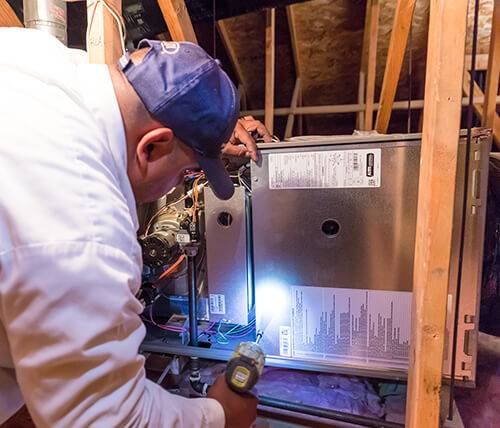
Vegas-Focused Decision Guide
- Lowest operating cost: Heat pumps with good insulation; ideal for mild Las Vegas winters
- Fastest heat: Gas furnace; provides hot air quickly on cold mornings
- Balanced option: Hybrid dual-fuel systems; heat pump efficiency with gas backup for coldest nights
- Best for small homes: Ductless mini-split heat pumps; no ductwork needed
- Best for large homes: Ducted heat pump or high-efficiency furnace with zoning
Best System by Home Type
- Small homes (under 1,500 sq ft): Ductless mini‑split heat pumps; cost-effective and efficient
- Large homes (over 2,500 sq ft): Ducted heat pump or furnace with zoning; balances comfort and efficiency
- New builds: High‑efficiency heat pump systems; maximize energy savings and comfort
- Two-story homes: Any system with zoning controls; prevents upstairs/downstairs temperature imbalances
Heating System Maintenance Tips
- Annual tune-ups: Schedule heating service in fall (October-November) before peak season to catch issues early
- Filter changes: Replace filters every 1-3 months; desert dust requires more frequent changes than other climates
- Duct inspection: Check for leaks, especially in unconditioned attics; seal leaks to improve efficiency
- Thermostat programming: Set back temperatures when away; program to avoid peak utility hours (1-7 PM) to reduce energy bills
- Outdoor unit care: Keep heat pump outdoor units clear of debris, dust, and vegetation for optimal performance
- Gas furnace safety: Annual combustion testing and carbon monoxide checks ensure safe operation
How to Decide
Consider fuel availability, insulation quality, and expected operating costs. A Manual J load calculation is the best starting point to ensure proper sizing. Factor in Las Vegas's mild winters, temperature swings, and long cooling season when choosing between heat pumps and furnaces.
Try our energy saving tips to see how much you could save.
Helpful resources for Las Vegas homeowners
- Most efficient heating system
- Energy-efficient heating and cooling
- Heat pump cost in Las Vegas
- Furnace cost in Las Vegas
- Heating installation
FAQs About 2025 Heating Systems
Are heat pumps good for Las Vegas winters?
Yes. Mild winters make heat pumps efficient and cost-effective for most homes.
When is a gas furnace a better choice?
Homes with gas service and a preference for fast, hot heat may prefer furnaces.
Do I need zoning in a two‑story home?
Often yes. Zoning helps balance upstairs and downstairs temperatures.
How long do heating systems last?
Most last 12–20 years depending on maintenance and usage.
Should I replace just the heater or the full system?
If the AC is older, a matched system can improve efficiency and reliability.
Share This Page